
How Carbon Reduction Projects Can Improve Air Quality and Health
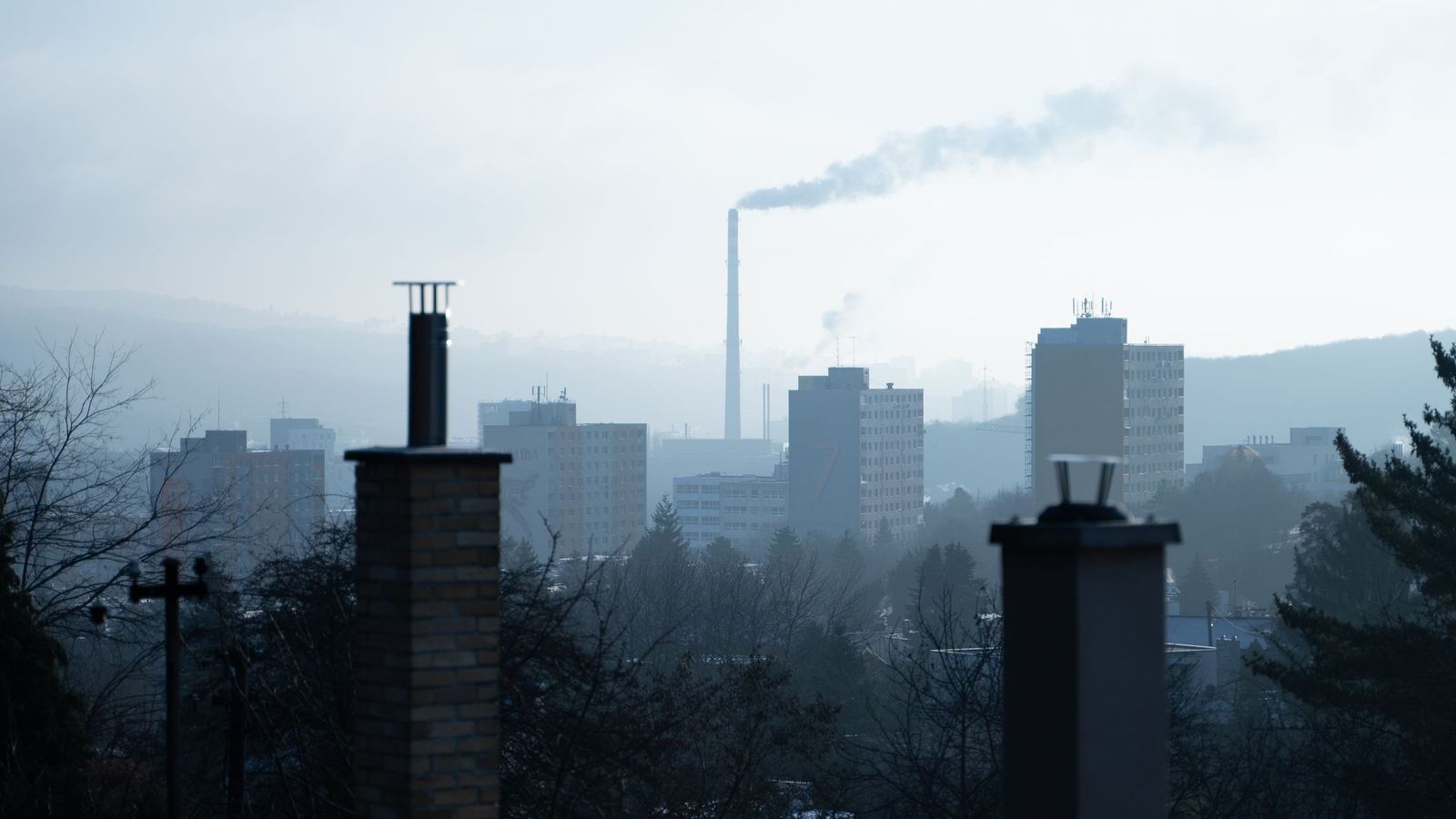
A project reports fewer greenhouse gases. Did nearby air become cleaner? Not necessarily. Our 2018 meeting brought together exposure science and epidemiology; our archived travel-emissions invitation records one part of its footprint concern. Here we ask what evidence connects a climate claim to public health—and distinguish source emissions from what people breathe. The goal is to distinguish measured effects from assumptions and plausible claims.
Carbon Reduction Projects Are Not Automatically Health Projects
Carbon dioxide equivalents express climate impact, not particulate pollution or personal exposure. A project may reduce carbon emissions without changing nearby air quality very much. An offset elsewhere is not a measured improvement near exposed residents.
Some interventions do both. Fossil-fuel combustion releases greenhouse gases alongside pollutants or their precursors, so replacing a polluting source can affect particulate matter (PM), nitrogen oxides (NOx) and other components of air quality. WHO's 2025 assessment of air-quality and health co-benefits notes that the result depends on the setting. A carbon-accounting total alone cannot demonstrate it.
What Needs to Be Measured Before and After an Intervention
Record baseline emissions, operating times, location and affected communities. Then define the counterfactual—the conditions reasonably expected without the project. Pollution may change independently of the intervention. Compare seasons and the populations near the source. If baseline information comes from estimates, label it as such rather than treating it as observed data.
The investigation should identify the relevant pollutants, the timing and location of emissions, available ambient measurements and any validated dispersion or exposure model. PM2.5 may be relevant to a combustion change, but not every project warrants the same indicator. Document measurement periods, sensor quality and missing records. Comparison communities may strengthen the design.
Connecting Air Quality Changes to Health Evidence
The evidence pathway has four steps; none proves the next.
| Stage | Evidence needed |
|---|---|
| Intervention → emissions | Document what actually changed at the source; compare the new operation with a credible baseline. |
| Emissions → concentration | Measure or model whether pollutant levels changed at relevant locations, allowing for weather and other sources. |
| Concentration → exposure | Assess where people spend time and whether their contact with pollution changed, not merely the nearest monitor. |
| Exposure → health estimate | Apply defensible epidemiological relationships, or collect appropriate health data; state assumptions and uncertainty. |
A measured emissions reduction is useful evidence, but a health estimate often requires additional modelling. WHO's CLIMAQ-H methodology for estimating health co-benefits illustrates how changes in air-pollution exposure can be connected with established epidemiological evidence. Estimated avoided illness is not observed health improvement.
What Can Distort the Results
Weather can change pollution independently of emissions, misleading a before-and-after comparison. Other pollution sources may also change. Moving a polluting activity outside the study boundary could improve one neighbourhood's measurements while shifting exposure elsewhere. An apparent drop measured at one station should be assessed against conditions elsewhere, especially if the intervention shifted emissions along a transport corridor or changed the times at which equipment operates.
Benefits can be uneven. A reduction near a residential block can matter differently from one far from population centres, and some people spend more time at work or in transit than at their registered home address. Report geography, uncertainty and excluded groups; a citywide average is not everyone's benefit.
A Hypothetical Evaluation Scenario
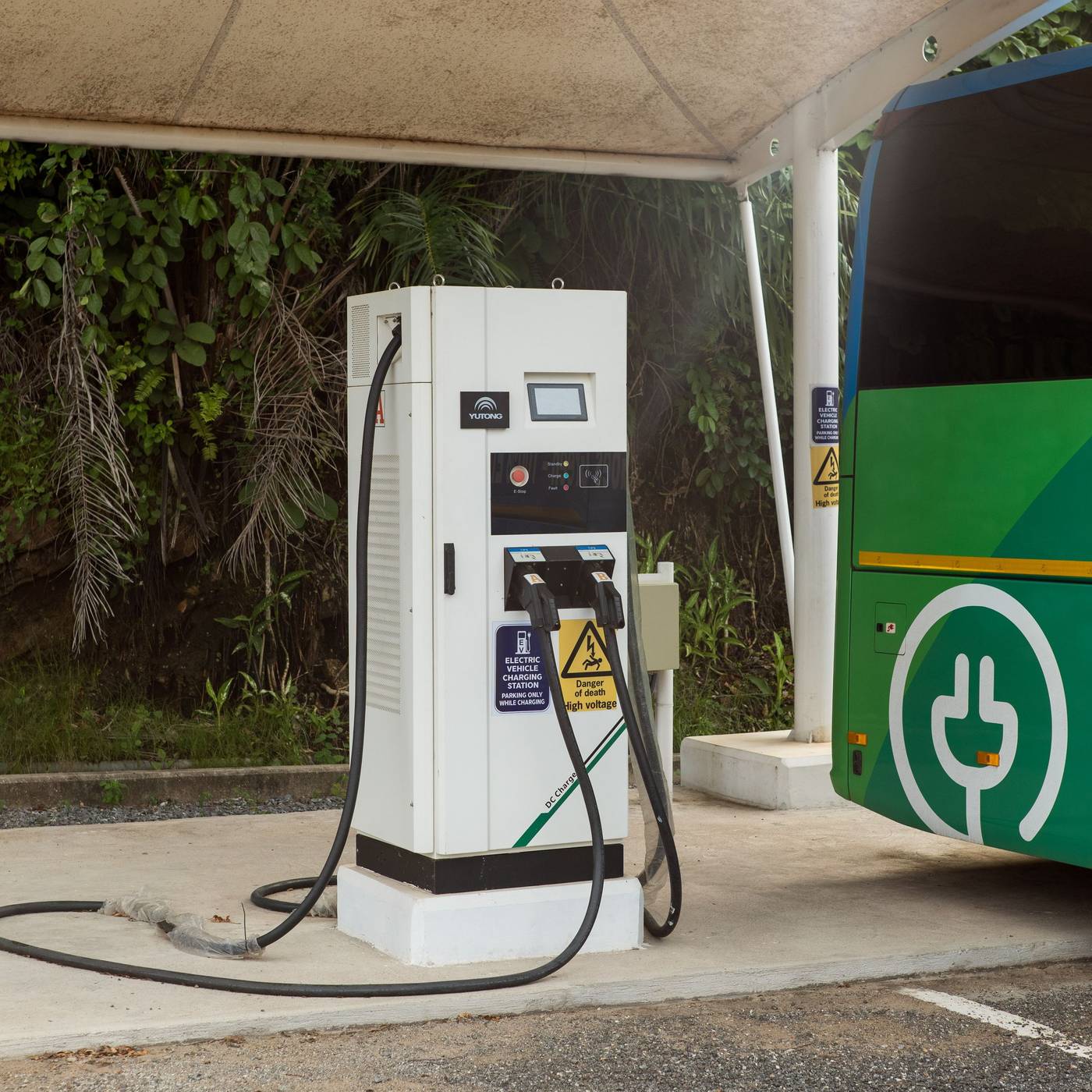
Imagine replacing municipal diesel equipment with electric alternatives. This is hypothetical, not a meeting-funded project. Researchers could document fleet use and fuel consumption before and after replacement, then examine whether local NOx or particulate concentrations changed in the equipment's operating areas. For instance, a recorded fall in fuel use could anchor the emissions estimate, while personal or neighbourhood exposure would require a separate measurement design. Benefits still need a population context.
They would account for weather, traffic and electricity generation, then assess actual exposure. Sparse monitoring might support an emissions change and uncertain modelled benefit, not an observed health outcome.
Three Evidence Questions
Does every CO2 reduction improve local air quality? No. Technology, source location and pollutant matter. Some measures remove local combustion; others operate elsewhere. Establish the pathway before claiming a nearby benefit.
Can an emissions total establish health gains? No. It does not show ambient concentrations, personal exposure or exposure-response relationships. It is a starting point, not a complete health assessment.
Whose exposure should be measured? Potentially affected people, including those with varied daily routines. Document sampling boundaries so averages do not obscure unequal benefits.
Our archival interest lies between promising interventions and defensible evidence: a claim should be tested, not assumed.
This article explains research approaches; it does not establish exposure levels or health outcomes for any specific project.